|
 |
 |
 |
 |
 |
 |
 |
 |
 |
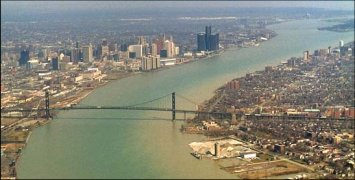 An Aerial View of the Detroit River Public preoccupation about growing pollution in the waters of the Great Lakes led to the 1972 signing of the Great Lakes Water Quality Agreement between the U.S. and Canada. The original Agreement was intended to diminish phosphorus levels that had caused problems in Lake Erie, which had become known as the "dead Lake". The Agreement was amended in 1978 to deal with the more insidious problem of toxic contaminants in the Great Lakes. These contaminants were unlike the earlier phosphorus problems in that they could not be detected by sight, smell, or taste. The amended Agreement was an attempt by both countries to approach water quality issues, and the entire Great Lakes ecosystem, in a more comprehensive manner. With insufficient efforts by both the U.S. and Canada to deal with the enormity of the environmental problems in the Great Lakes Basin, much work remains. The International Joint Commission (IJC) identified 43 Areas of Concern (AOC) throughout the Great Lakes Basin. The Detroit River is one of five binational Areas of Concern. In 1985, the Great Lakes Water Quality Board of the IJC called for Remedial Action Plans (RAPs) to clean up the Areas of Concern. The Citizens Environment Alliance has participated in the Detroit River RAP since its inception in 1987. Our commitment to ensuring public participation in the RAP process through the Detroit River Canadian Cleanup Committee means that we will continue to press for a comprehensive cleanup and protection plan for the Detroit River. The Great Lakes Water Quality Agreement (GLWQA) and its subsequent protocols established ambitious goals for the clean up of the Great Lakes basin. The zero discharge of persistent toxic substances, the remediation of contaminated sediments and a bi-national toxic management strategy, cornerstones of the agreement, have seen little meaningful progress. The Detroit River remains one of the most heavily polluted waterways in the Great Lakes basin. People on both sides of the river must continue to insist that all levels of government and industry work with the public towards the principles of the GLWQA.  Speak Out for Your Great Lake! August 2022 Various dates from August 30 to September 15, 2022 Great Lakes Ecoregion Network (GLEN) invites you to help protect your Great Lake by participating in our Speak Out for Your Great Lake Webinars! GLEN is a binational group of dedicated advocates working to strengthen the Great Lakes Water Quality Agreement (GLWQA) and increase public/community engagement in government policies focusing on Great Lakes water quality. View PDF for complete details and to find registration links for each webinar based on date and region. Our own Lake Erie watershed which includes St. Clair River, Lake St. Clair & Detroit River will be on Wednesday, September 6. Please add your voice to help protect the Great Lakes and the communities that rely on them. 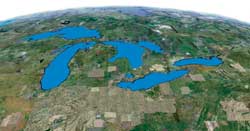 Canada and Ontario Need to Set Ambitious Goals in Order to Protect the Great Lakes September 2019 Canada and Ontario's proposed agreement to protect the Great Lakes ecosystem, known as the Canada Ontario Agreement (COA), needs to be more ambitious in order to protect water quality and ecosystem health into the future. Several environmental organizations, including the CEA, have written to the governments of Canada and Ontario offering twenty-three recommendations to improve the COA. Read more Great Lakes Protection November 2018 In violation of the Canada-Ontario Agreement on the Great Lakes, the Ontario government is withholding funds for Great Lakes protection and restoration. Around the province, Remedial Action Programs are delaying or eliminating programs because of the withdrawal of provincial funding. The Government of Ontario’s action threatens the progress that has been accomplished to date through remedial action plans, including the Detroit River RAP. The health and environmental sustainability of the Great Lakes are vital for Ontarians and our prosperity. Contact your MPP to express your thoughts and support for the Great Lakes!  Reducing Stormwater Runoff July 2017 Reducing stormwater runoff and its associated water pollution is important in the Great Lakes basin, even more so as climate change takes hold in the region. Recently the CEA, as a member of Green Infrastructure Ontario, submitted our comments about Ontario's proposed Low Impact Development Stormwater Management Guidance Manual. Read more Great Lakes Water Quality Agreements U.S. - Canada Great Lakes Water Quality Agreement 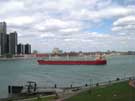 New Canada-Ontario Agreement on Great Lakes Water Quality and Ecosystem Health The CEA in collaboration with Environmental Defence and other environmental groups have submitted comments to the Ontario and Canadian governments regarding the Canada-Ontario Agreement on Great Lakes Water Quality and Ecosystem Health (COA). COA sets the stage for the governments to cooperate to ensure the restoration, protection and conservation of the Great Lakes-St. Lawrence River basin over the next five years. Here is our response to the proposed COA: View submission.  The following is part of the CEA's campaign for water conservation, including: Water Opportunities and Water Conservation Act (2010) The Ministry of the Environment would like to notify you of the proposed Water Opportunities and Water Conservation Act (2010). Great Lakes Water protection Act  Ontario finally passes Great Lakes Protection Act After many years of effort by individuals and organizations across Ontario, including the CEA, the Great Lakes Protection Act was passed in the Ontario legislature earlier this month. The Act adds legal protections to the most significant freshwater ecosystem on the planet and takes a significant step towards fulfilling the recommendations made in Ontario's Great Lakes Strategy The Great Lakes Protection Alliance has submitted comments regarding Bill 6, the (Ontario) Great Lakes Protection Act. This submission is supported by many of Ontario's leading environmental organizations including the CEA. Read Detailed Prioritized Amendments to Bill 6 - Supplemental Submissions We need a Great Lakes Protection Act to re-engage Ontarians with their Great Lakes, a source of drinking water, recreation, history and prosperity. We must increase the ecological resilience of the Great Lakes to improve their health and the health of the region's people. Read full release.
Comments on the Great Lakes Protection Act Ontario Releases Great Lakes Strategy Read: Ontario's Great Lakes Strategy Great Lakes Protection Act 2012  Federal and Provincial Governments Should Create a Registry of Canadian Lands for the Detroit River International Wildlife Refuge A Blueprint for a Comprehensive Water Conservation Strategy (October 2009) Detroit River Reports and Documents Regulating Water Pollution at the Municipal Level (2006 revised/ 2004) 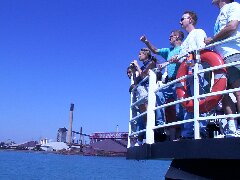 Boat Tour
Detroit River/ Fresh Water Fact Sheet 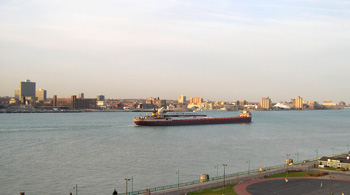 View the PDF to learn about water quality (bottle vs. tap), the Great Lakes, the Detroit River, general water facts and water conservation tips. Don't forget to check out the bottom of page 2 for links to a variety of water-related web links. |